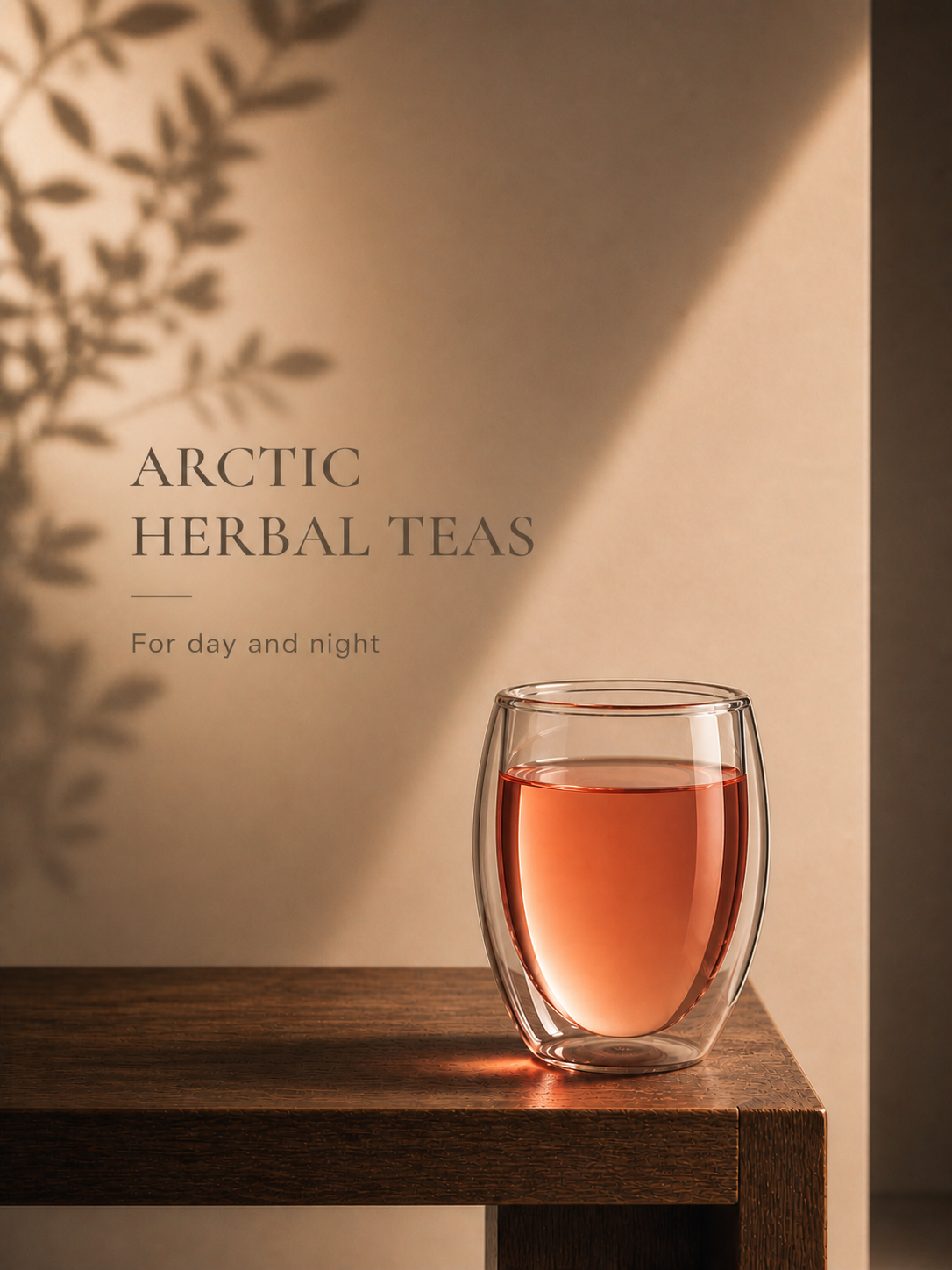
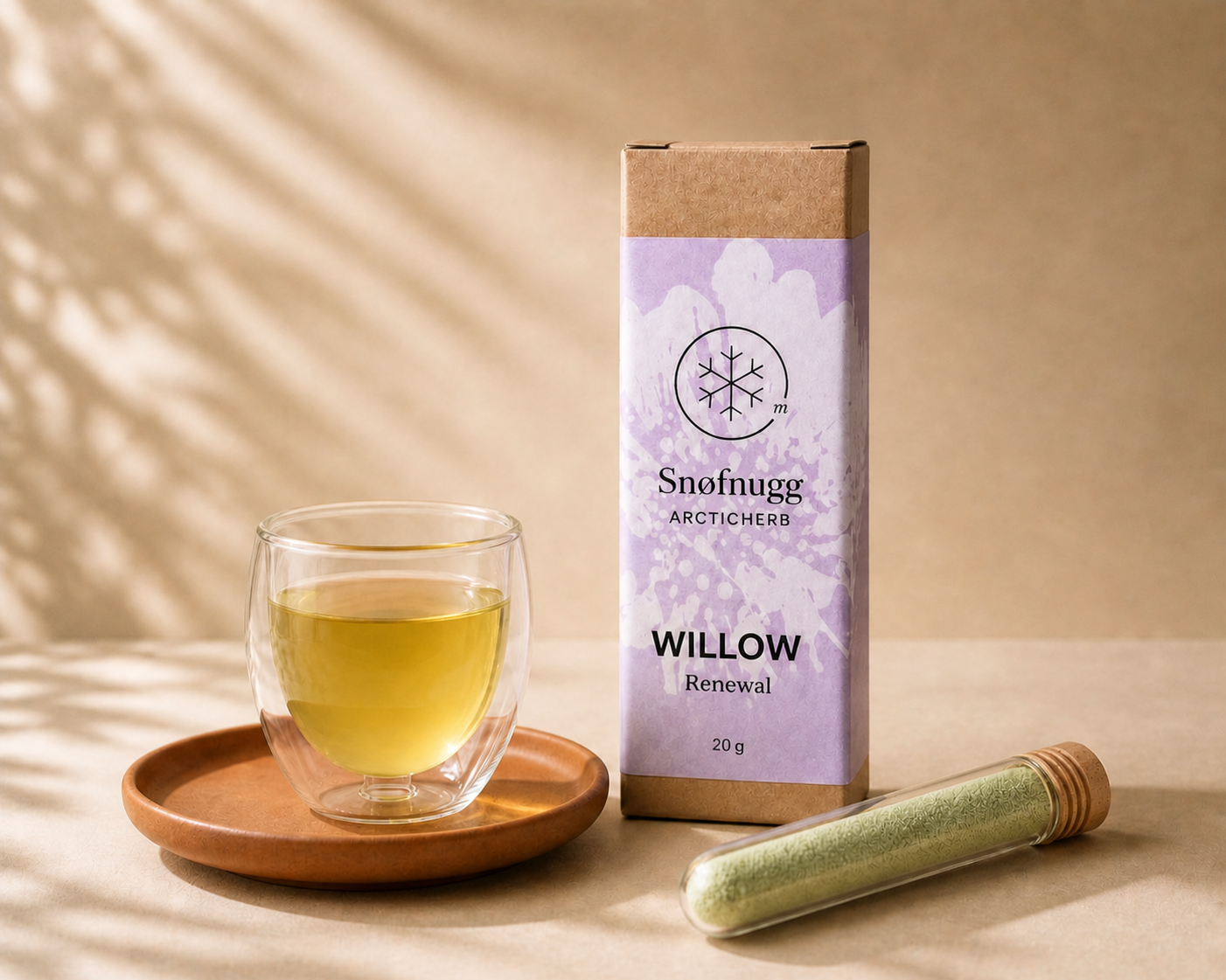
Renewal. In its own rhythm. Willow Tea — crafted in Misvær by Prohelse.
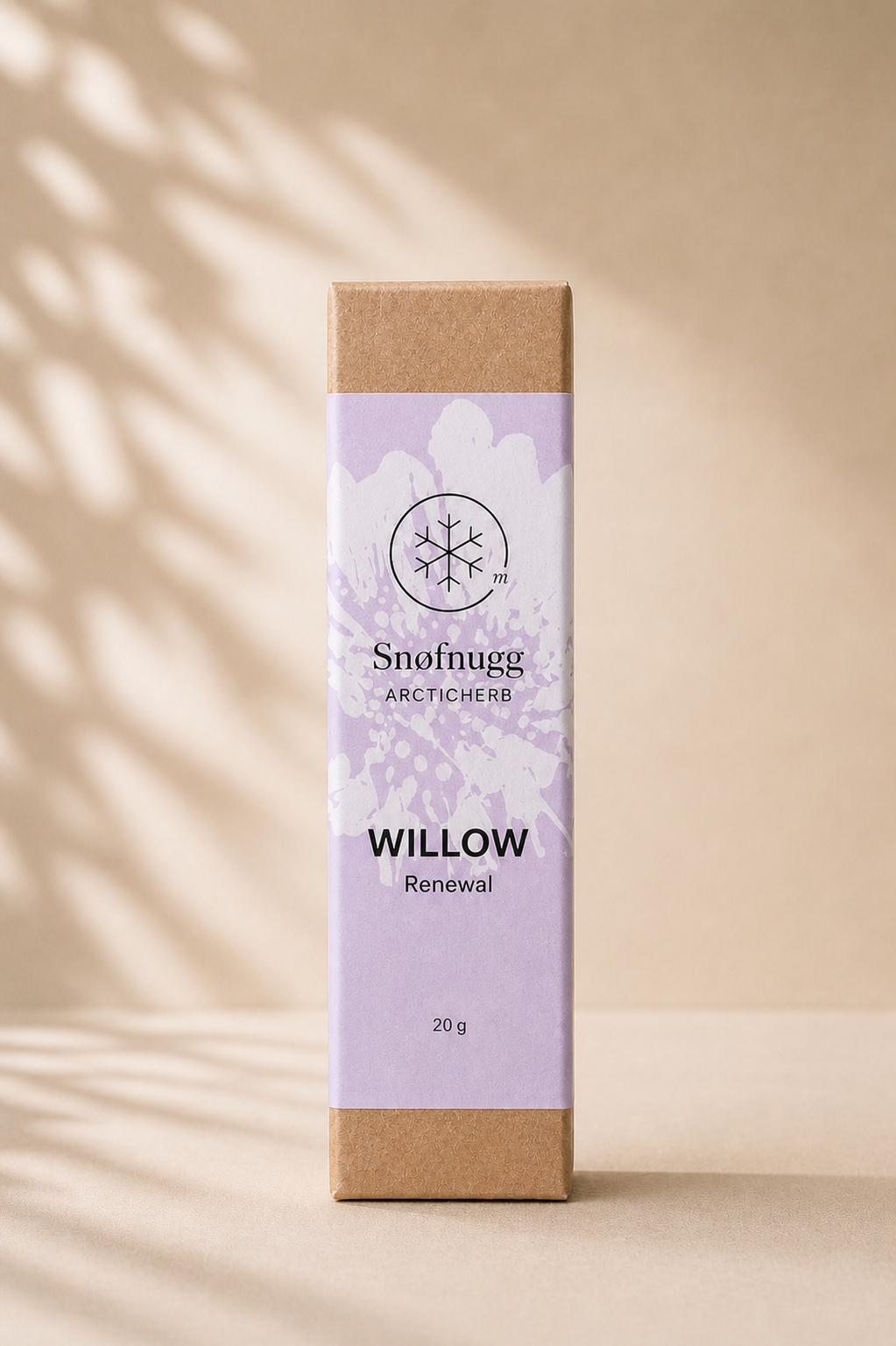
WILLOW – Arctic Renewal
-
Finmalt arktisk blomsterpulver til mat og drikke
WILLOW er et rent enkeltplantepulver av 100 % viltplukkede geitramsblomster fra Nord-Norge – høstet nord for polarsirkelen.
De håndplukkede blomstene lufttørkes skånsomt og finmales til et lett blomsterpulver. Det er ikke et uttrekk, men hele geitramsblomsten i finmalt form.
Bruk WILLOW i varme og kalde drikker eller som en botanisk ingrediens i mat og bakverk. Smaken er mild og lett floral, med en særegen naturlig fargetone inspirert av den nordnorske sommeren.
Slik bruker du WILLOW
Som urtedrikk
Rør én strøken måleskje (ca. 0,5 g) i en kopp varmt vann (80–90 °C). La trekke i 3–5 minutter, og rør godt før og underveis. Måleskje i tre følger med.
Pulveret kan også røres inn i hvit eller grønn te.
I mat og drikke
Bland én strøken måleskje (ca. 0,5 g) i smoothie, shake, juice, plantedrikk, yoghurt, havregrøt eller chiapudding.
WILLOW kan også brukes i bakverk, kremer, råkaker og desserter for å tilføre en mild, floral karakter og et naturlig fargeinnslag.
Derfor er WILLOW spesielt
Arktisk opprinnelse: Geitramsblomstene vokser vilt i Nord-Norge og håndplukkes nord for polarsirkelen.
Hele blomsten: Blomstene lufttørkes og finmales uten ekstraksjon.
Kun geitramsblomster: Ingen blader eller andre plantedeler tilsettes.
Mild og floral: Pulveret har en delikat smak og en særegen naturlig fargetone.
Allsidig bruk: Kan blandes i både varme og kalde drikker, frokostretter, bakverk og desserter.
Kun én ingrediens: Vegansk og uten tilsetningsstoffer, fyllstoffer, kunstige aromaer eller konserveringsmidler.
Ingredienser: 100 % finmalte geitramsblomster (Chamaenerion angustifolium).
Opprinnelse: Nord-Norge, nord for polarsirkelen.
Nettovekt: 20 g – tilsvarer ca. 40 porsjoner à 0,5 g.
Oppbevaring: Oppbevares kjølig, tørt og beskyttet mot lys. Lukk emballasjen godt etter bruk.
-
Om denne siden
Denne siden forteller historien om geitrams – en karakteristisk villplante som har fulgt mennesker og landskap gjennom generasjoner. Her kan du lese om plantens botanikk, kulturhistorie og tradisjonelle bruk i mat, drikke og håndverk.
Viktig: Informasjonen på denne siden er ikke medisinsk rådgivning. Historiske tradisjoner skal ikke forstås som dokumentasjon av plantens eller produkters egenskaper eller virkninger.
Geitrams – planten som følger lyset
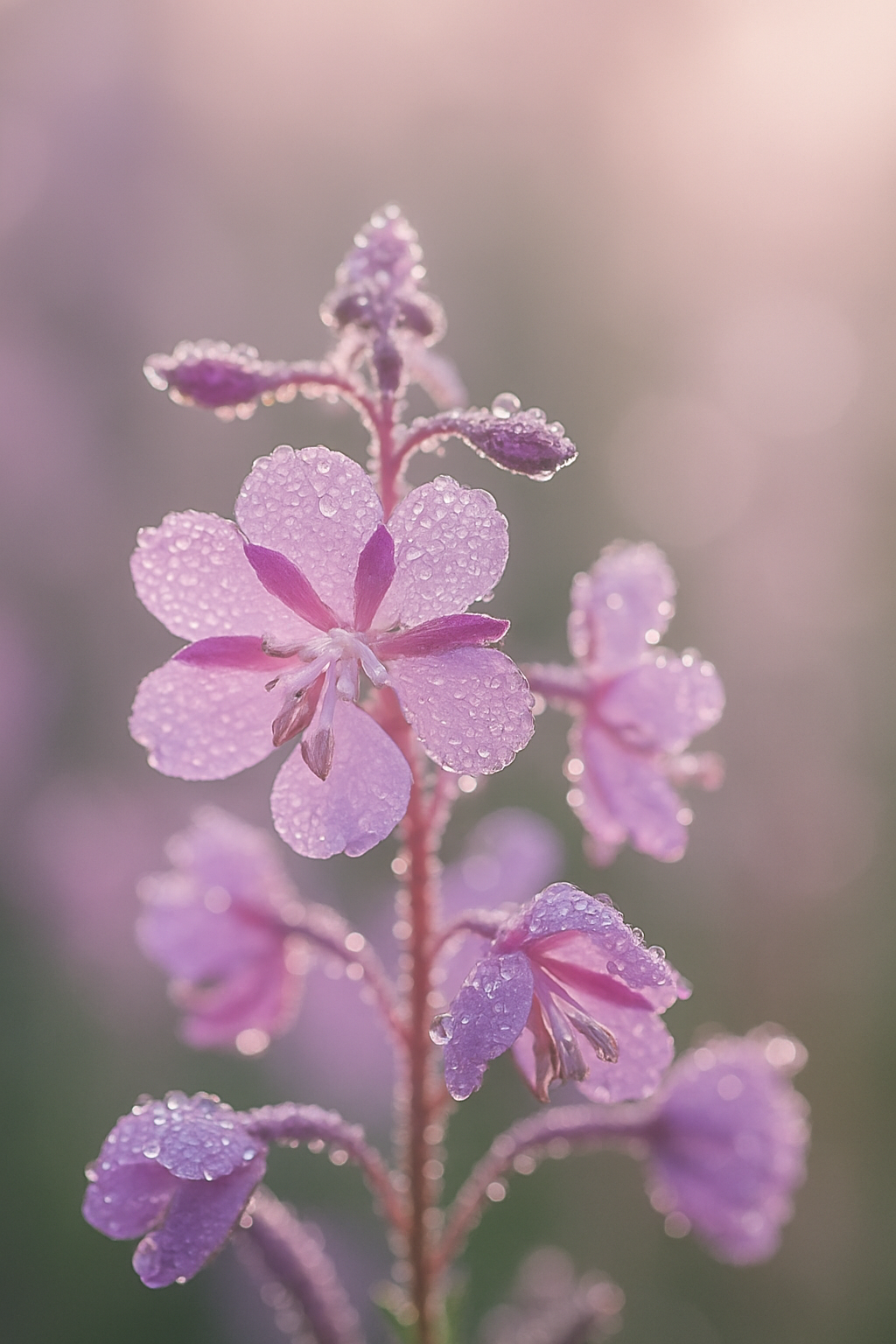
Når sommeren kommer til Nord-Norge, lyser geitramsen opp langs skogkanter, elver og åpne enger. De høye stilkene med sterke, rosafiolette blomster strekker seg mot lyset, mens midnattssolen holder landskapet våkent gjennom natten.
Senere på sommeren åpner frøkapslene seg. Tusenvis av små frø løftes av vinden og bæres videre i et mykt, sølvskimrende flor.
Geitrams (Epilobium angustifolium, også kjent som Chamaenerion angustifolium og Chamerion angustifolium) finnes over store deler av den nordlige halvkule. Gjennom historien har unge skudd, blader, blomster, fibre og frøull fått sin plass i ulike mattradisjoner, håndverk og fortellinger.
Ivan-chaj – en drikk med lange tradisjoner
I Russland og andre deler av Øst-Europa er geitrams særlig kjent gjennom drikken Ivan-chaj, også kalt Koporye-te.
Bladene ble tradisjonelt rullet, bearbeidet og tørket for å skape en mørk, urtepreget drikk uten blader fra den tradisjonelle teplanten (Camellia sinensis).
Ivan-chaj representerer en fortelling om lokalt håndverk: om å høste det som vokste i landskapet, følge plantens sesong og bearbeide bladene med tid og erfaring.
En plante med mange historiske bruksområder
Tradisjons- og etnobotaniske kilder beskriver hvordan lokalsamfunn i forskjellige deler av verden har tatt i bruk ulike deler av geitramsen:
Unge skudd, blader og blomster har inngått i sesongbaserte mattradisjoner.
Fibrene i modne stilker har enkelte steder blitt bearbeidet til tråd, snorer og vevde arbeider.
Den silkemyke frøullen har blitt samlet og brukt som fyllmateriale, til opptenning og som materiale i lysveker.
Dette viser en form for plantekunnskap der geitramsen ikke bare ble betraktet som én råvare. Hver plantedel hadde sin egen struktur og sine egne muligheter.
Planten som vender tilbake
Geitramsen er kjent som en pionerplante. Den kan etablere seg raskt på åpne og forstyrrede områder, blant annet etter skogbrann, hogst eller andre store endringer i landskapet.
På engelsk har planten fått navnet fireweed – «ildgress» – på grunn av sin nære forbindelse med brannpåvirkede landskap.
Geitramsen reiser seg ikke bokstavelig fra asken, men den kan være blant de tidlige plantene som bringer farge og vegetasjon tilbake til et landskap i forandring.
Les om geitramsens rolle som pionerplante hos U.S. Forest Service
Geitrams under midnattssolen
I Nord-Norge møter geitramsen lange, lyse sommerdager, kjølige netter og en kort vekstsesong. De rosafiolette blomsterstandene kan stå som levende bånd gjennom grønne enger og langs stille skogkanter.
Geitramsen setter sitt tydelige preg på den nordnorske sommeren: først med høye, fargerike blomsterspir og senere med et sølvskimrende frøflor som bæres videre av vinden.
Botanisk informasjon og videre lesning
Se botanisk artsinformasjon om geitrams hos Kew Science
Vil du utforske planten videre, kan du søke etter Epilobium angustifolium i botaniske oppslagsverk.
Planten er også kjent under de vitenskapelige navnene Chamaenerion angustifolium og Chamerion angustifolium. Ulike botaniske kilder kan derfor bruke forskjellige navn på den samme arten.
Viktig informasjon
Tradisjoner varierer: De beskrevne tradisjonene varierer mellom geografiske områder, folkegrupper og historiske perioder.
Historisk bruk: Omtalen av mat, drikke og håndverk beskriver kulturhistoriske tradisjoner – ikke bestemte egenskaper eller virkninger ved planten.
Ingen medisinsk rådgivning: Informasjonen skal ikke forstås som informasjon om helseeffekt eller om forebygging, lindring eller behandling av sykdom.
Ingen produktdokumentasjon: Historiske anvendelser og tradisjoner beskriver ikke egenskapene, virkningen eller kvaliteten til produkter som selges på dette nettstedet.
Eksterne kilder: Lenkene fører til uavhengige botaniske og vitenskapelige kilder. Innholdet på disse nettstedene er ikke en del av produktinformasjonen.
Én villplante. Mange tradisjoner. En levende forbindelse mellom natur, landskap og mennesker.
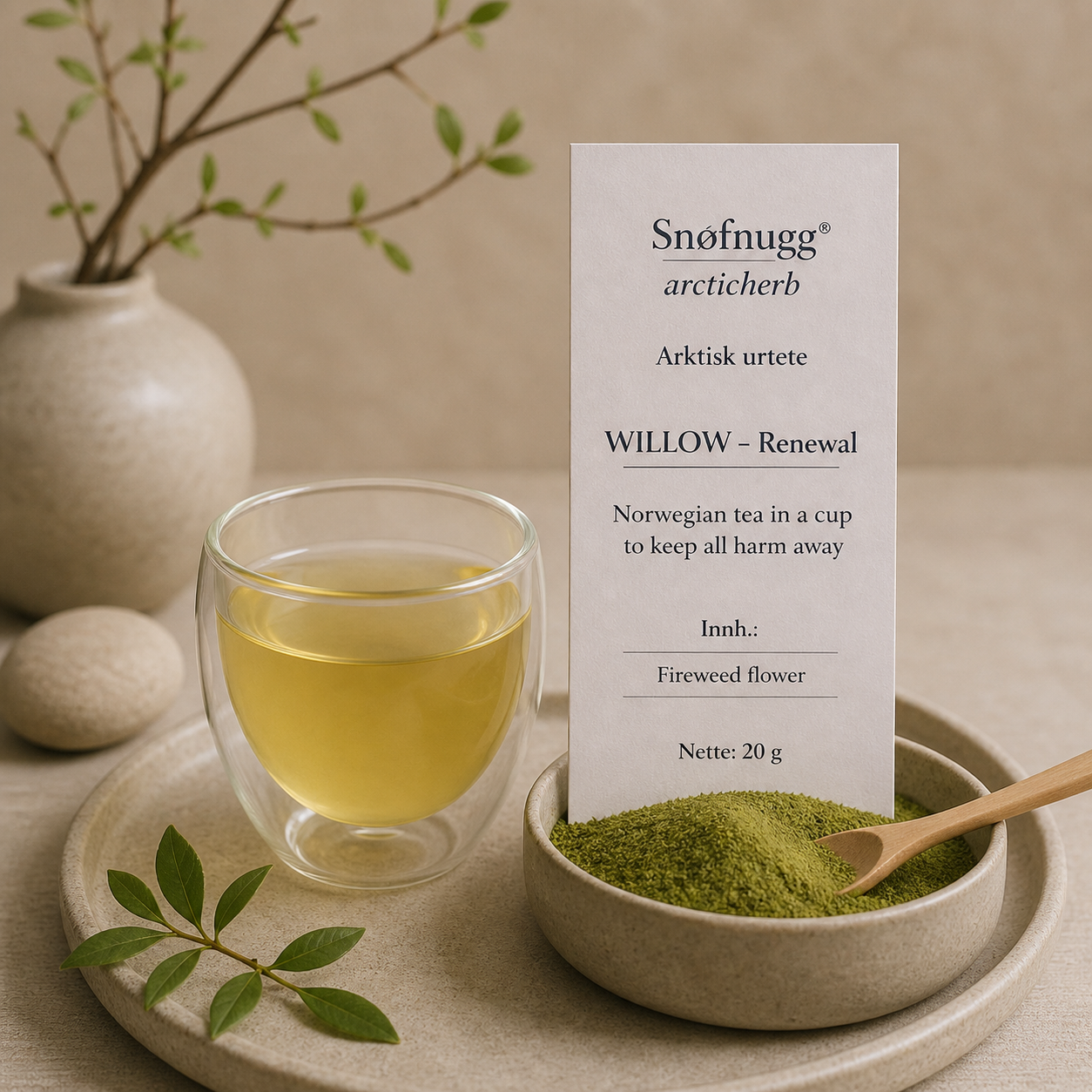
Finely ground herbal tea powder from wild arctic plants